Fig 1
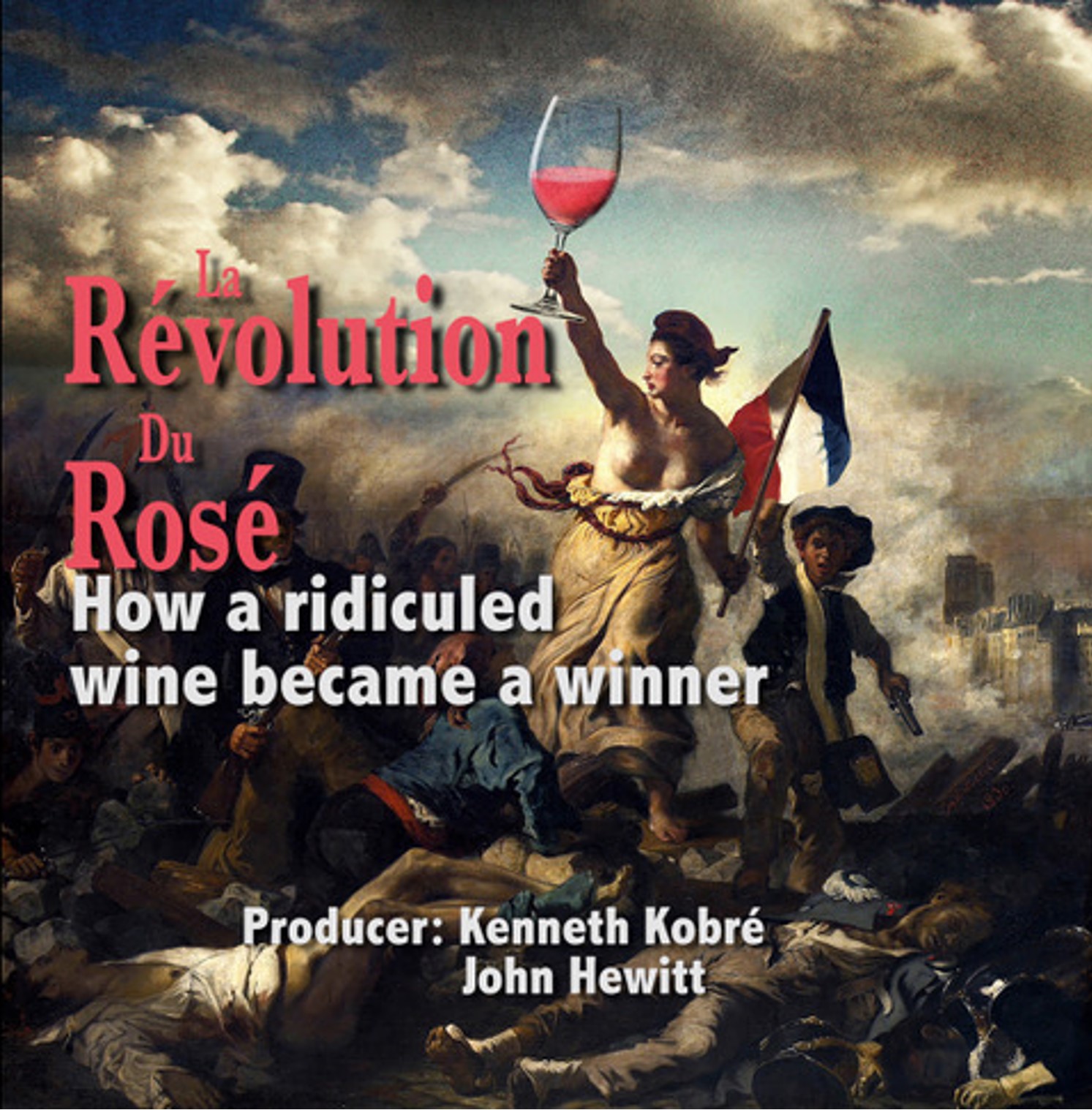
La Révolution du Rosé
La Révolution du Rosé: How a ridiculed Wine Became a Winner
It was once mocked as a sickeningly sweet alcoholic beverage, consumed only at college frat parties or on cheap dates. It was ridiculed as a “gateway” drink for those making the transition from soda to something a half-notch more sophisticated. But now has recently surpassed white wine sales in France, and rosé imports to the U.S. have been increasing 50% each year. Does the color of the wine, from pale pink to dark peach, caused people to taste the wine differently?” Does the price of the wine affect a drinker's pleasure and sales. No matter how well you think you know wine, I think the answers will amaze you.
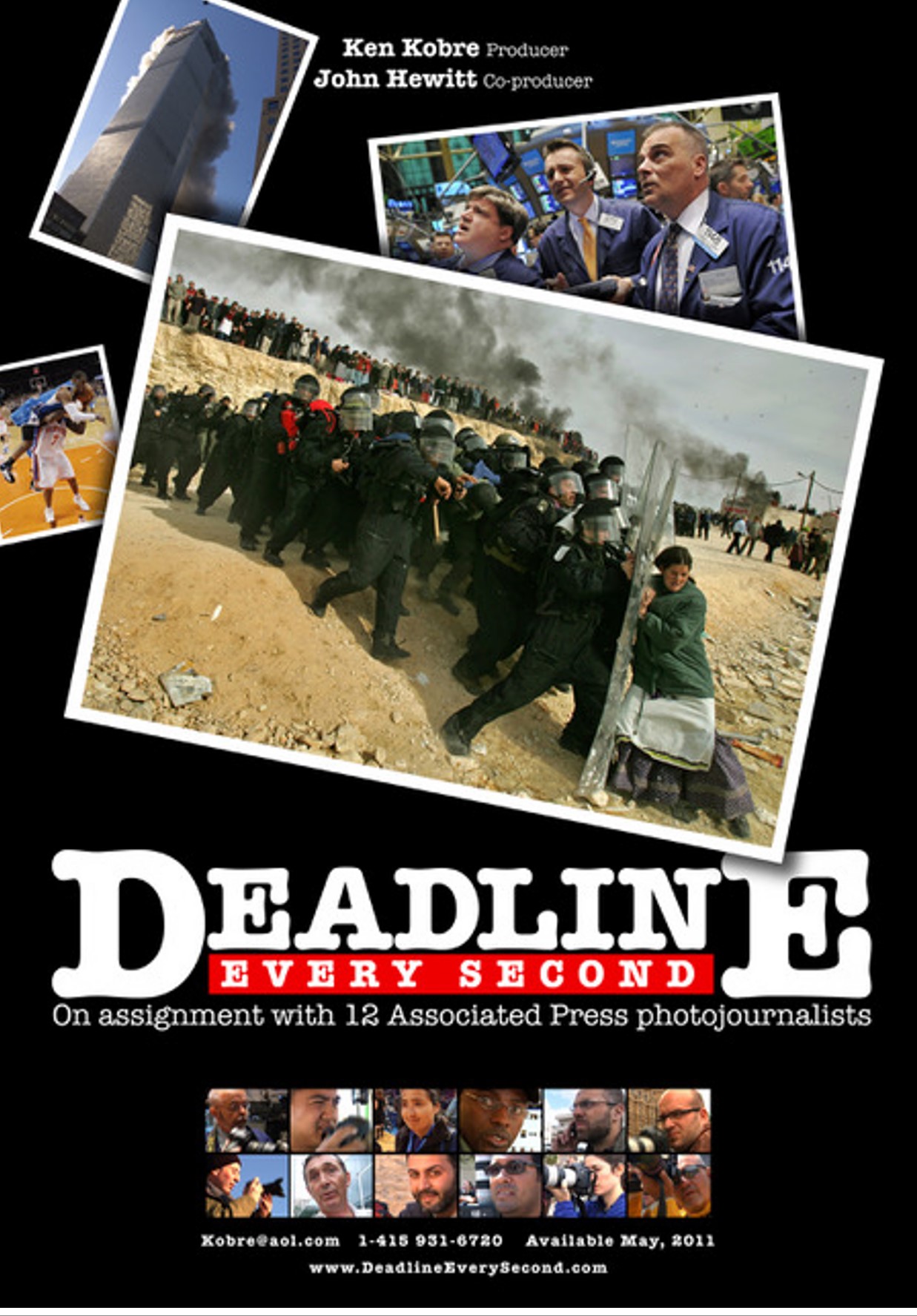
Fig 2
Deadline Every Second
Deadline Every Second: 12 Associated Press Photographers on Assignment
The Associated Press, with hundreds of photographers worldwide, transmits 3,000 pictures each day — more than a million pictures a year. More than a billion people a day see AP photographs in their newspapers, magazines, & in the roll of Internet news coverage flashing on computer screens. *** "Deadline Every Second" goes behind the scenes with photojournalists of the Associated Press, the world's largest news picture agency. *** You will be on deadline with 12 top AP photographers in the U.S. (from California wildfires to Wall Street), Europe (from 10 Downing St. to the Tour de France) & the Middle East (from the West Bank and Gaza to Israel). *** You will be there as photographers capture still images ranging from sports & light features to danger & grief. They cover demonstrations in Greece & San Francisco, the earthquake in Haiti, a US Marine patrol in Afghanistan, an assassination attempt in Pakistan. They share strategies for approaching an assignment, whether it's the arrival of a wax figure of Obama for a museum, or a fiery clash in the West Bank. And they reveal their own reactions to the often brutal situations they cover.
The password for the complete doc is the following two words... Deadline May
I also have a few shorter docs that I have done in Africa. They might be bundled together to make 52 min. program.
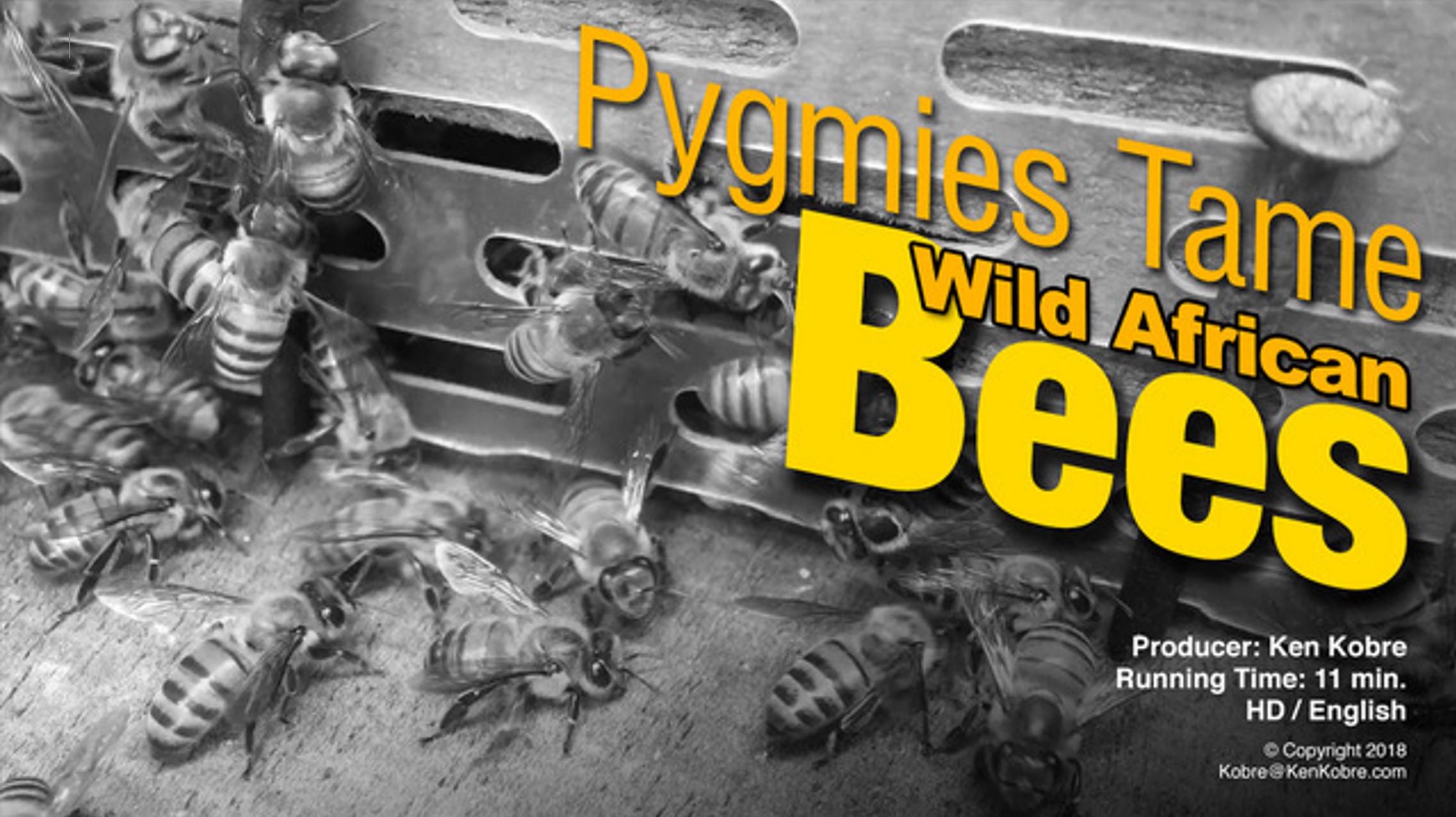
Fig 3
Wild African Bees
Pygmies Tame Wild African Bees
Honeybees don’t like to be disturbed. When someone approaches a hive…European honeybees… send out around 20 guard bees. By comparison… African bees send out HUNDREDS of guard bees… and these bees are known to chase their victims for a quarter of a mile.
This angry response explains why stings from African bees have killed more than a thousand people in recent years…
In the Democratic Republic of Congo, in the past, Pygmies found a bee colony and burn it killing all the bees. They used this method to get the honey while protecting themselves against the ferocious bees. Recently a group of Pygmies along with members of the Bantu tribe have learned to capture a wild queen bee and raise her in a specially built box. Now the pygmies no longer have to burn out the hive to harvest the honey.
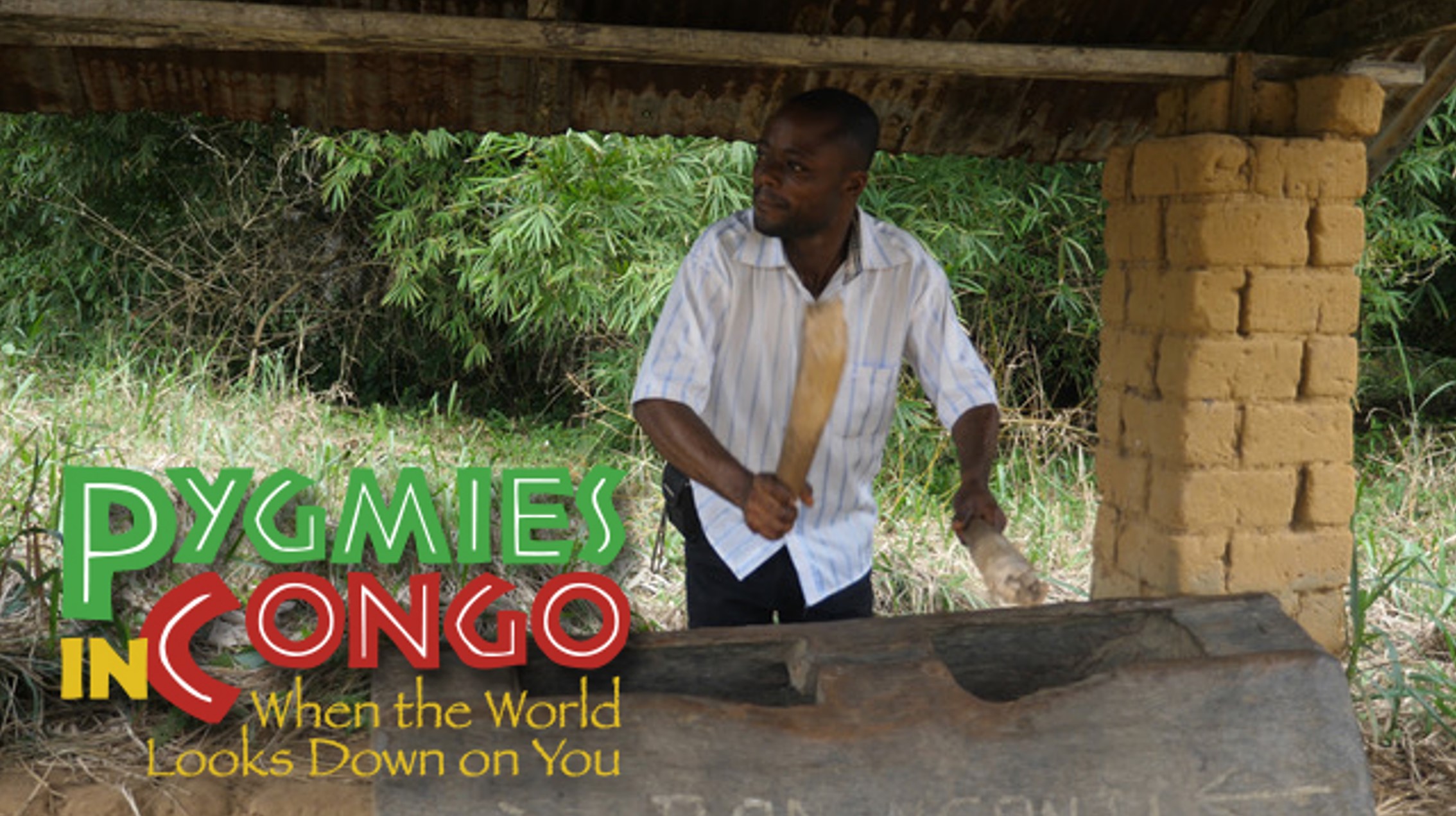
Fig 4
Congo
Pygmies in Congo: When the Whole World Looks Down on You
"When The World Literally and Figuratively Looks Down on You: Pygmies in Congo"
Not only are Pygmy tribesmen of Congo short, usually 4 feet 11 inches on average, they are considered by the dominate Bantu tribesmen to be dirty, poorly dressed and stupid. Bantus won't even eat the food cooked by Pygmies. Ever since the Pygmies were forced out of the woods because of deforestation they had to close by the Bantus villages. The Bantus have been treated the Pygmies like surfs of the middle ages. The Pygmies owned no land and therefore had to work for the Bantus. The Bantu bosses sometimes paid the Pygmies with food and clothing or other times give them nothing at all. In spite of this strong prejudice against the Pygmies love between opposing tribe members occurred. The impacted of those inter tribal relationships have effected the size and the lifestyle of the modern Pygmy community.
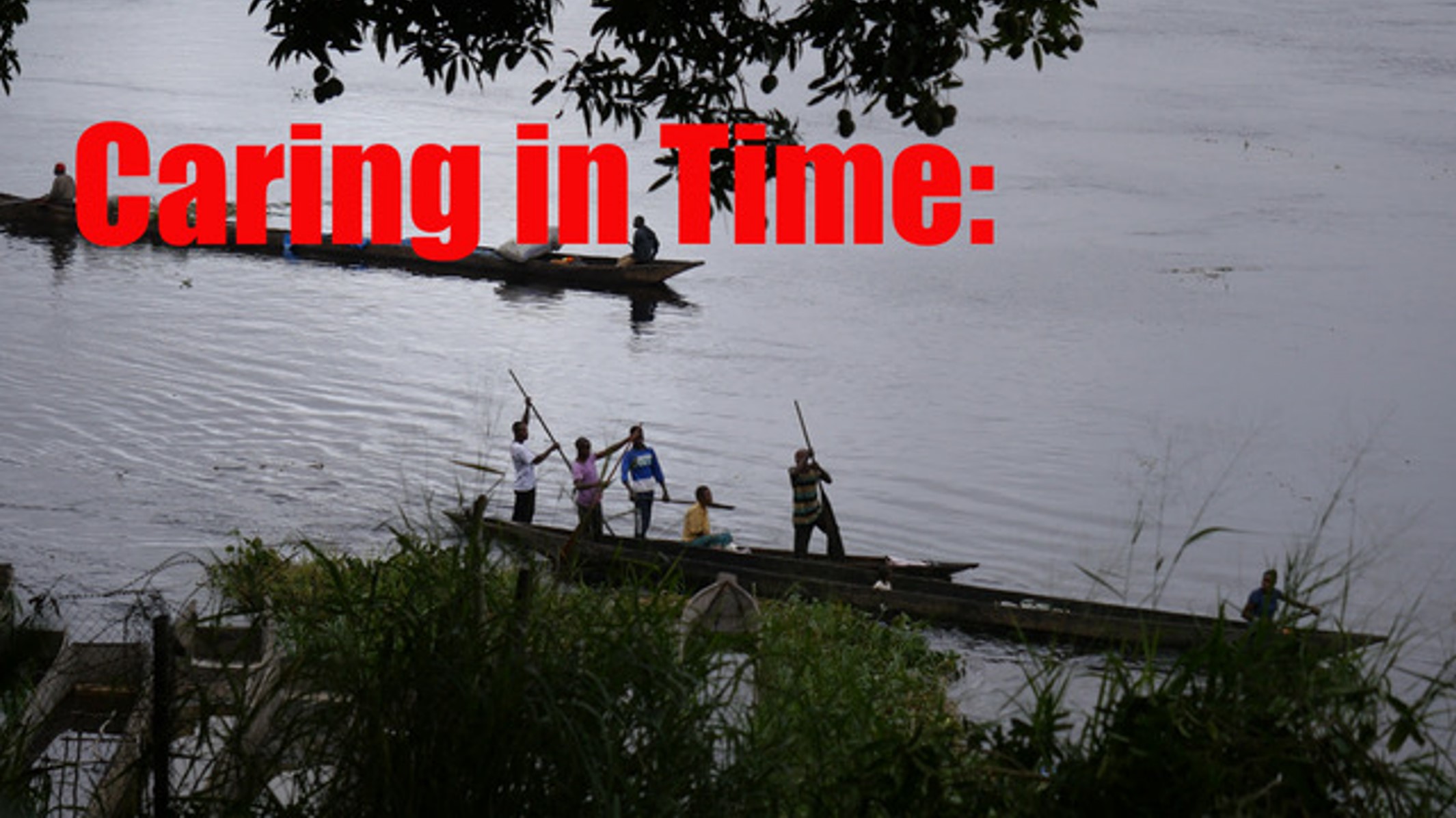
Fig 5
Caring in Time
Caring in Time: Emergency Medical Training in the Congo
Imagine a country of 81-million people… with only one doctor qualified to handle medical emergencies. That’s the situation in which Dr. Vera Sistenich found herself when she came to the Democratic Republic of the Congo A small Australian non-profit, HandUp Congo, brought her to Africa to train local physicians in the latest emergency-room techniques. Watch how she saved lives.
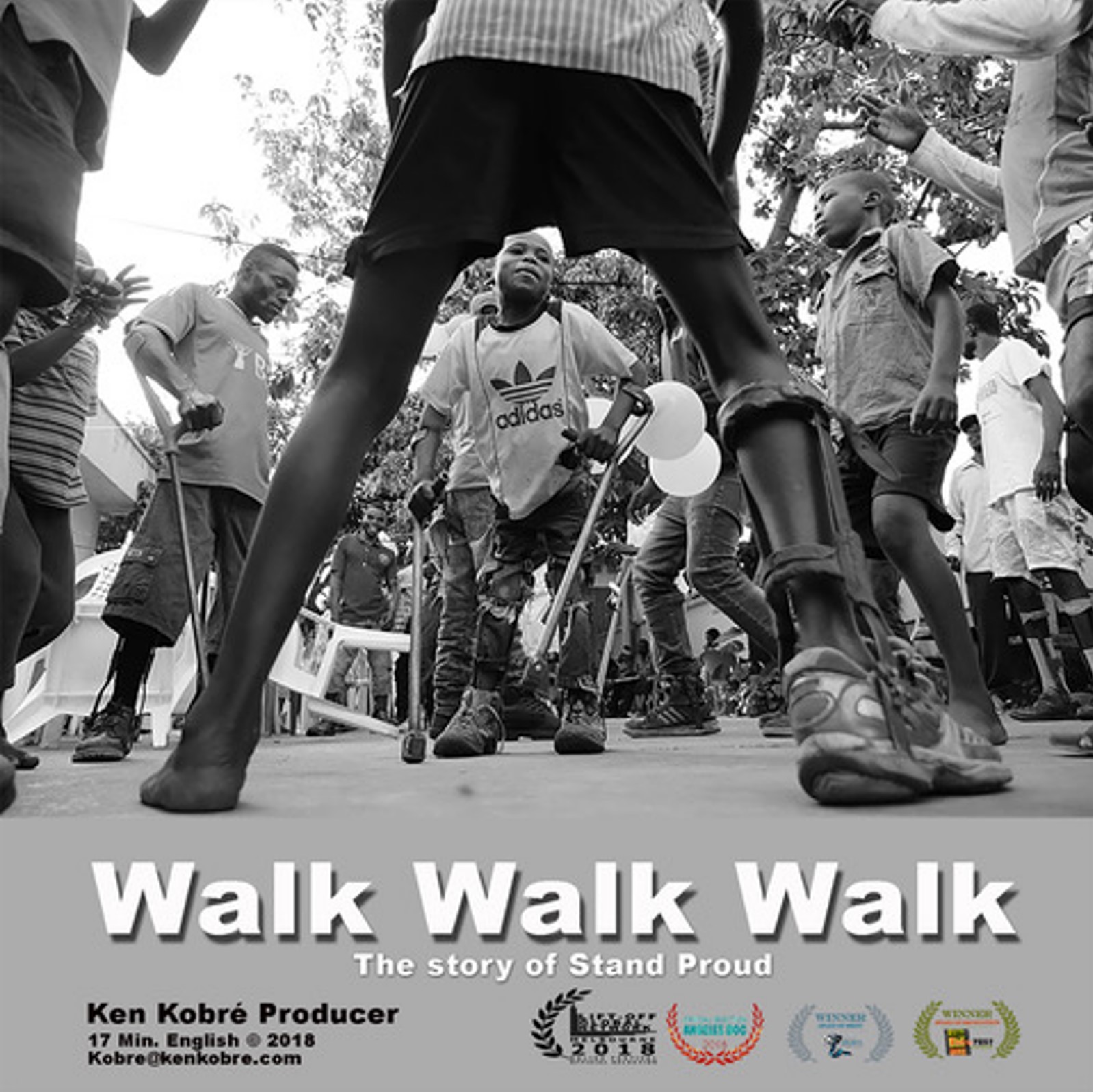
Fig 6
Walk Walk Walk
Walk Walk Walk: The Stand Proud Story
In Democratic Republic of Congo, hundreds of young polio victims with malformed legs, unable to walk upright, are destined not only to crawl or be carried, but are often shunned by their own families. “Walk walk walk,” a new short documentary (18 min.) by Ken Kobre (“Deadline Every Second”) showcases the revolutionary work of Dr. Jay Nash and his non-profit organization StandProud, which provides free plaster casts, braces, crutches, physical therapy, and medical assistance to a generation of formerly crippled kids. In emotional interviews and scenes, we witness the transformation of determined teens who can now not only stand tall and walk proud for the first time, but also gleefully dance and enthusiastically participate in athletic endeavors that once seemed impossibly beyond their dreams
LOGLINE:
Crippled African children, unable to walk or even stand, are given a new lease on life by a non-profit medical organization that transforms them into athletes and dancers.
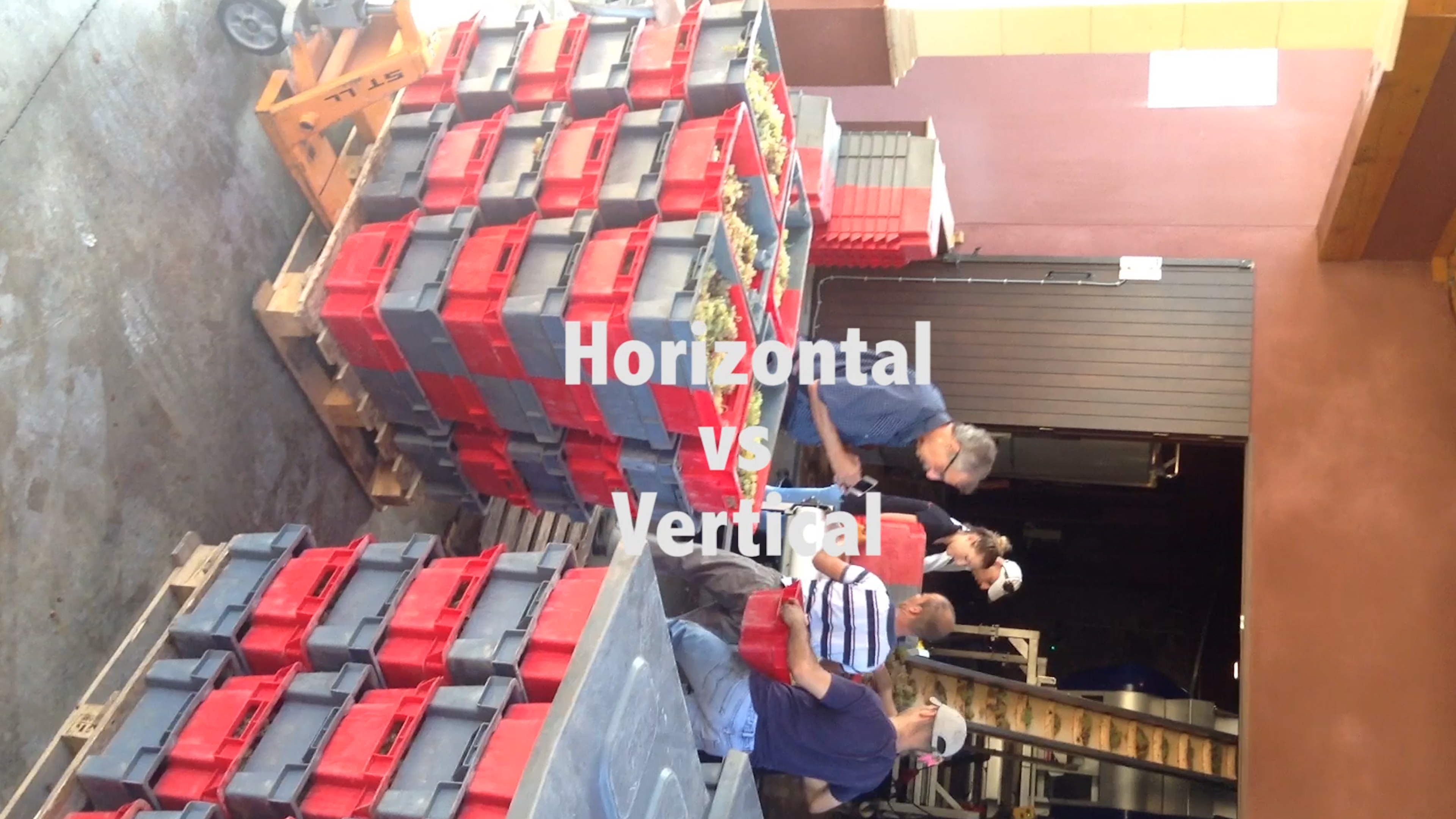
Fig 7
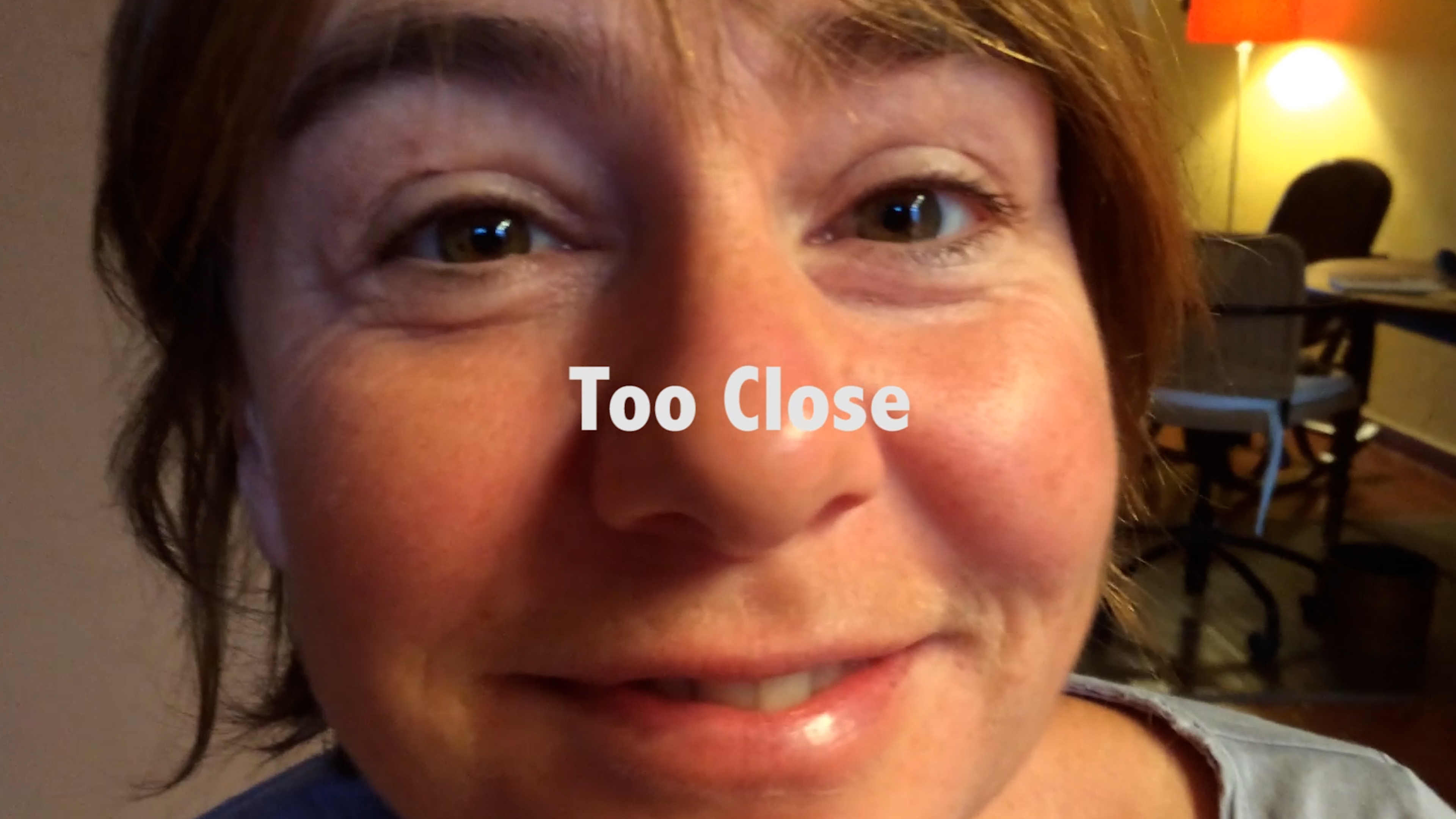
Fig 8
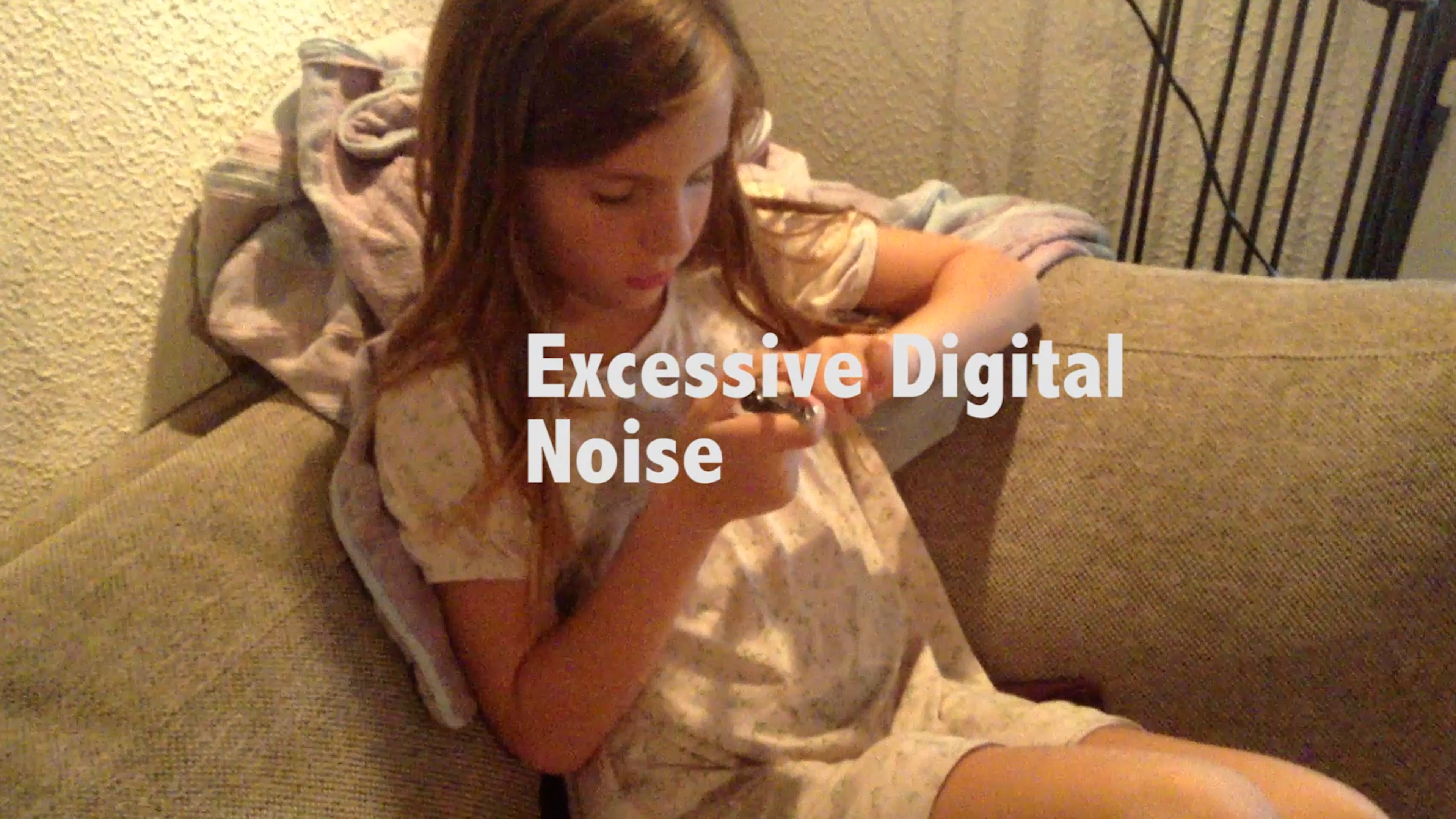
Fig 9
Bloopers
Examples of things that that can go wrong including, holding the camera vertically (portrait mode) when the rest of the film is horizontal (landscape mode), coming in too close for comfort on someone's face, shooting in low light that produces too much digital noise.
Photo Assignment: Cannes International Film Festival
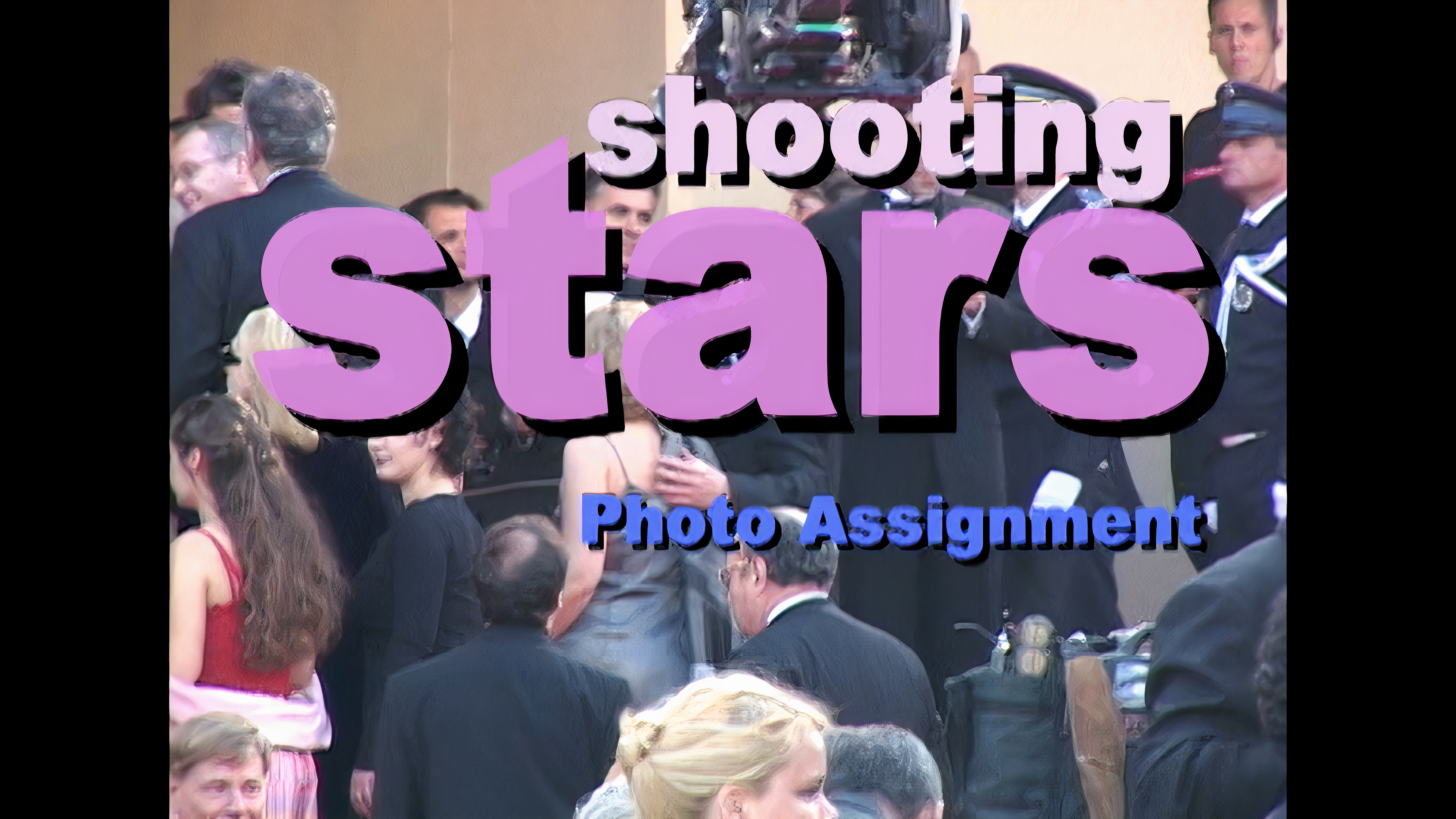
Fig 10
Shooting Stars
Shooting Stars
Shooting Stars goes behind the scenes to show the viewer how a photojournalist covers the Cannes International Film Festival. Cannes is one of the few places so many movie industry celebrities/stars gather in one place in a short period of time. The festival provides an opportunity for photographers and videographers capture images/footage that they will sell and resell during the coming year.
Day by Day: How One Issue Evolved

Fig 11
Sports Illustration day by day
Inside Sports Illustrated
For many years Sports Illustrated was the dominant sports magazine in the United States. The magazine covered everything from ping pong to polo. It sold over one and half million copies every week. In 1983, SI became the first American full-color sports newsweekly. It published the some of the best images from the latest games as well as pictures of the most obscure sports. This documentary takes you through one week at the magazine from the editorial meetings where the editor decides what to cover all the way through the photographic and editing process until the issue hits the stands.
What Makes a Sports Illustrated Photo Great

Fig 12
Inside Sports Illustrated – Making of a cover
Inside Sports Illustrated – Making of a cover
This video looks closely at the art of photo editing. Jim Colton, one of the best visual editors in the business, talks about and shows which images work for a magazine layout and why. Colton began his career in 1972 as the Color Picture Editor for the Associated Press and later joined Newsweek as their Director of Photography before becoming the Photography Editor for Sports Illustrated. He has been acknowledged as one of the 100 most important people in photography by American Photo.