Chapter 27: TEE in Lung Transplantation

TEE use in the perioperative management of lung transplantation is discussed. Real surgical imaging and from simulator will be provided to highlight the role of TEE in this setting.

1

Figures

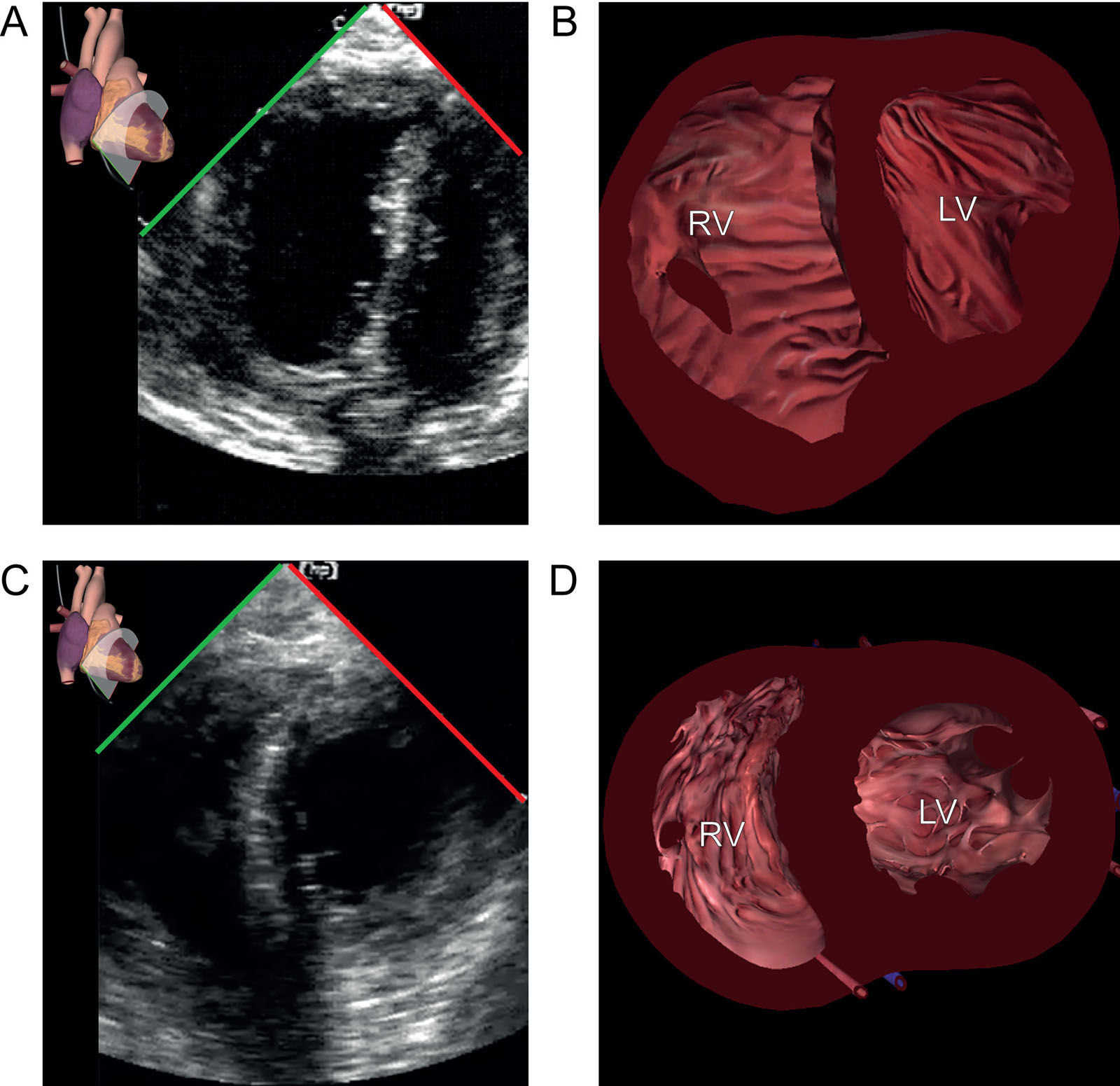
RV dysfunction. This patient undergoing bilateral lung transplantation experiences transient RV dysfunction. (A, B) TG mid SAX view shows significant RV dilatation and a flattened ventricular septum with paradoxical septal motion suggestive of RV failure. This is possibly from PA clamping or air embolization in the RCA. (C, D) The administration of vasoactive support improved RV function.<em> Abbreviations</em>: LV, left ventricle; PA, pulmonary artery; RCA, right coronary artery; RV, right ventricle; SAX, short-axis; TG, transgastric. <i class='fa fa-video-camera' aria-hidden='true'></i>

eFigure 27.10

RV dysfunction. This patient undergoing bilateral lung transplantation experiences transient RV dysfunction. (A, B) TG mid SAX view shows significant RV dilatation and a flattened ventricular septum with paradoxical septal motion suggestive of RV failure. This is possibly from PA clamping or air embolization in the RCA. (C, D) The administration of vasoactive support improved RV function. Abbreviations: LV, left ventricle; PA, pulmonary artery; RCA, right coronary artery; RV, right ventricle; SAX, short-axis; TG, transgastric.
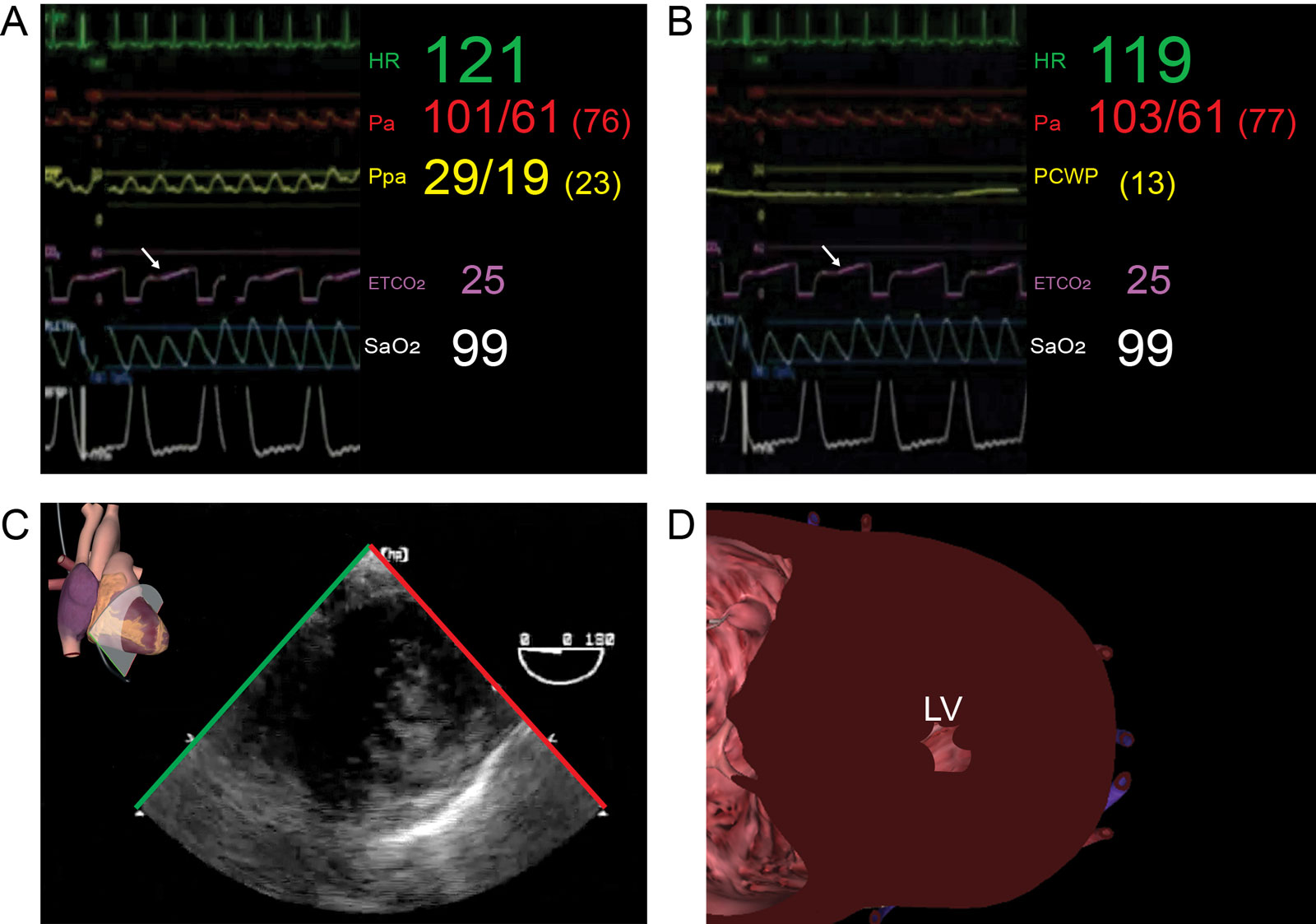
Fluid assessment. Preload evaluation during hemodynamic instability after single lung transplantation in a 53-year-old woman with end-stage emphysema. (A, B) Invasive hemodynamic monitoring shows a HR 121 beats/min, Pa 103/62 mmHg, Ppa 29/19 mmHg, Paop 13 mmHg and CVP 14 mmHg (not shown). The capnographic waveform (ET<strong>CO<sub>2</sub></strong>) is typical of a single lung transplant with the initial normal waveform from the transplanted lung, followed by the ascending phase III from obstructive disease (arrow). There is respiratory variation of the saturation signal from the pulse oximeter. (C, D) Despite the relatively normal filling pressures, the LV shows LVESCO suggestive of suboptimal preload in the TG mid-papillary SAX view. The patient’s hemodynamic condition improved with intravenous fluid administration.<em> Abbreviations</em>: ETCO<sub>2</sub>, end-tidal CO<sub>2</sub>; HR, heart rate; LV, left ventricle; LVESCO, left ventricular end-systolic cavity obliteration; Pa, arterial pressure; PCWP, pulmonary capillary wedge pressure; Ppa, pulmonary artery pressure; Resp, respiration; SaO<sub>2</sub>, arterial oxygen saturation; Sat, saturation; SAX, short-axis; TG, transgastric. <i class='fa fa-video-camera' aria-hidden='true'></i>

eFigure 27.11

Fluid assessment. Preload evaluation during hemodynamic instability after single lung transplantation in a 53-year-old woman with end-stage emphysema. (A, B) Invasive hemodynamic monitoring shows a HR 121 beats/min, Pa 103/62 mmHg, Ppa 29/19 mmHg, Paop 13 mmHg and CVP 14 mmHg (not shown). The capnographic waveform (ETCO2) is typical of a single lung transplant with the initial normal waveform from the transplanted lung, followed by the ascending phase III from obstructive disease (arrow). There is respiratory variation of the saturation signal from the pulse oximeter. (C, D) Despite the relatively normal filling pressures, the LV shows LVESCO suggestive of suboptimal preload in the TG mid-papillary SAX view. The patient’s hemodynamic condition improved with intravenous fluid administration. Abbreviations: ETCO2, end-tidal CO2; HR, heart rate; LV, left ventricle; LVESCO, left ventricular end-systolic cavity obliteration; Pa, arterial pressure; PCWP, pulmonary capillary wedge pressure; Ppa, pulmonary artery pressure; Resp, respiration; SaO2, arterial oxygen saturation; Sat, saturation; SAX, short-axis; TG, transgastric.
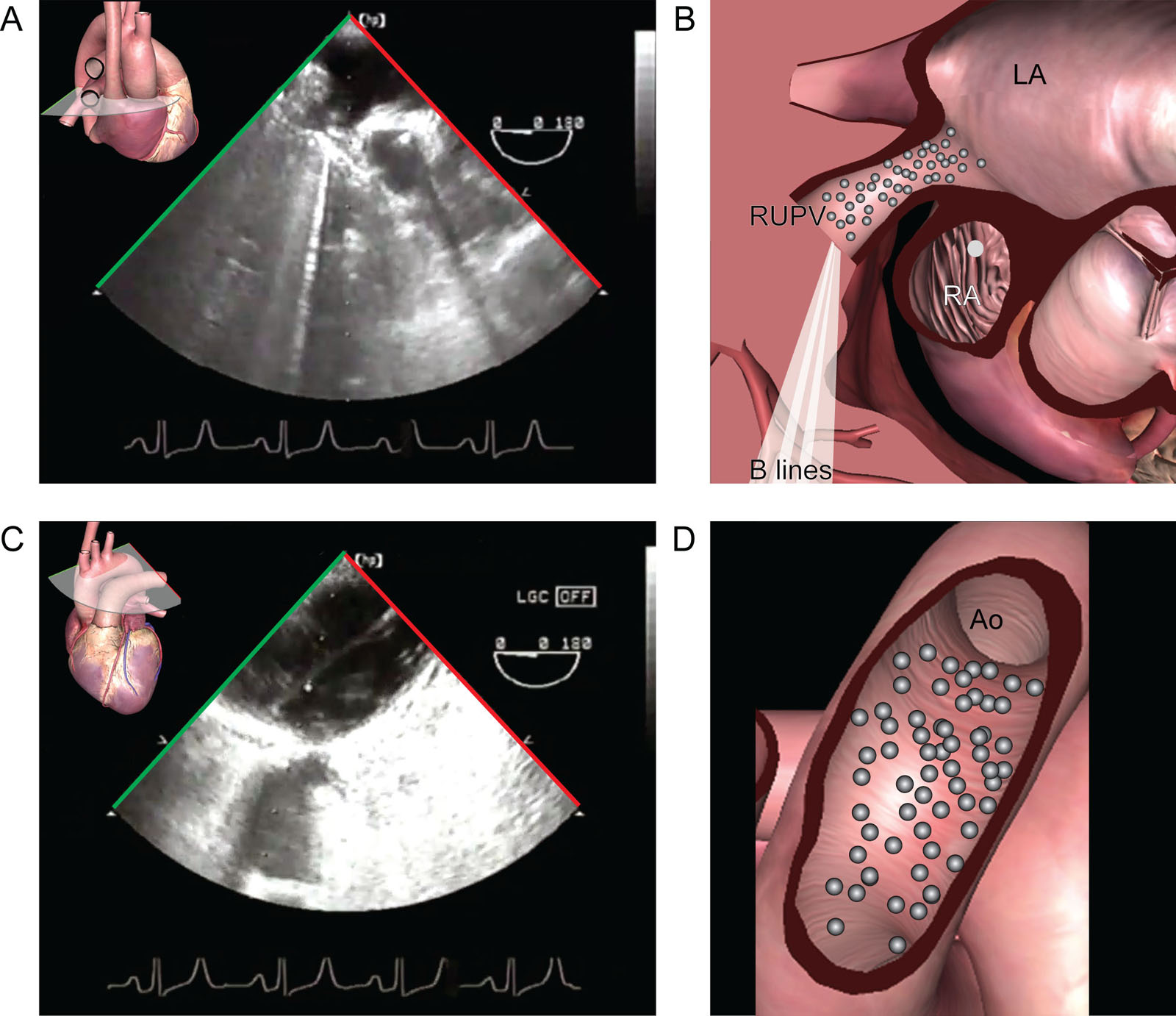
Air emboli in lung transplantation. (A,B) ME view with right-sided rotation shows air bubbles coming the RUPV at the completion of the vascular anastomosis. (C,D) In the UE aortic arch LAX view, there are also air bubbles in the Ao.<em> Abbreviations</em>: Ao, aorta; LA, left atrium; LAX, long-axis; ME, mid-esophageal; RA, right atrium; RUPV, right upper pulmonary vein; UE, upper esophageal. <i class='fa fa-video-camera' aria-hidden='true'></i>

eFigure 27.13

Air emboli in lung transplantation. (A,B) ME view with right-sided rotation shows air bubbles coming the RUPV at the completion of the vascular anastomosis. (C,D) In the UE aortic arch LAX view, there are also air bubbles in the Ao. Abbreviations: Ao, aorta; LA, left atrium; LAX, long-axis; ME, mid-esophageal; RA, right atrium; RUPV, right upper pulmonary vein; UE, upper esophageal.
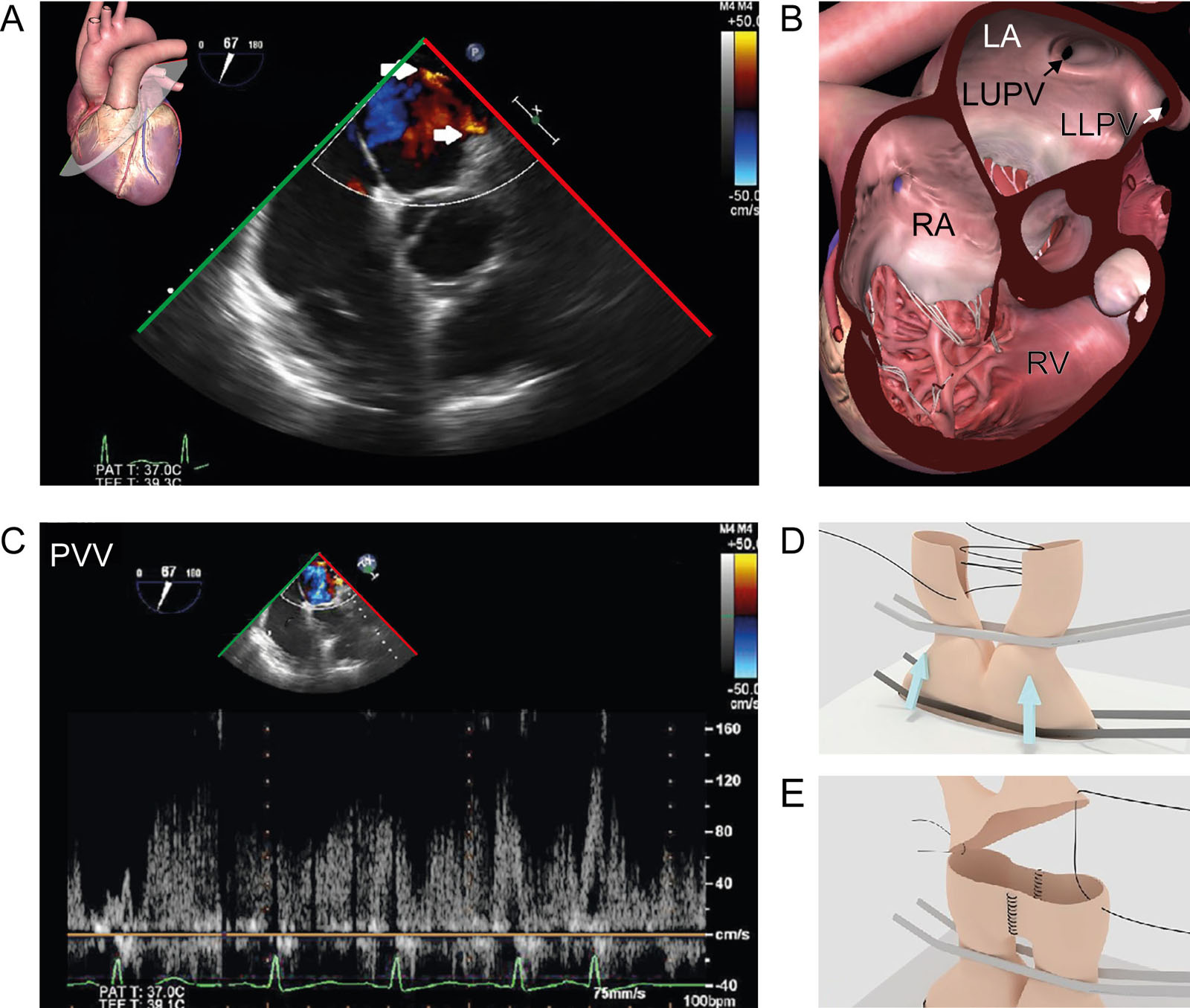
Alternative pulmonary vein anastomosis. (A,B) ME RV inflow-outflow view with CFI shows images post-reperfusion of the left pulmonary vein anastomosis. (C) Pulmonary vein velocity PWD has a full envelope reaching 120 cm/sec. PWD >100 cm/sec indicating turbulent flow. A PV velocity signal with systolic over diastolic wave predominance indicates that PV obstruction causes the high-velocity jets. (D) The Satinsky clamp occludes both pulmonary veins (arrows), thus impeding the construction of the atrial cuff. (E) Cutting a slit in both facing pulmonary veins allowed them to be sewed, forming a common ostium for anastomosis to the atrium.<em> Abbreviations</em>: CFI, color flow imaging; LA, left atrium; LLPV, left lower pulmonary vein; LUPV, left upper pulmonary vein; ME, mid-esophageal; PV, pulmonary vein; PVV, pulmonary venous velocity; PWD, pulsed-wave Doppler; RA, right atrium; RV, right ventricle. Adapted from Luzzi et al.<sup>39</sup>

eFigure 27.14

Alternative pulmonary vein anastomosis. (A,B) ME RV inflow-outflow view with CFI shows images post-reperfusion of the left pulmonary vein anastomosis. (C) Pulmonary vein velocity PWD has a full envelope reaching 120 cm/sec. PWD >100 cm/sec indicating turbulent flow. A PV velocity signal with systolic over diastolic wave predominance indicates that PV obstruction causes the high-velocity jets. (D) The Satinsky clamp occludes both pulmonary veins (arrows), thus impeding the construction of the atrial cuff. (E) Cutting a slit in both facing pulmonary veins allowed them to be sewed, forming a common ostium for anastomosis to the atrium. Abbreviations: CFI, color flow imaging; LA, left atrium; LLPV, left lower pulmonary vein; LUPV, left upper pulmonary vein; ME, mid-esophageal; PV, pulmonary vein; PVV, pulmonary venous velocity; PWD, pulsed-wave Doppler; RA, right atrium; RV, right ventricle. Adapted from Luzzi et al.39
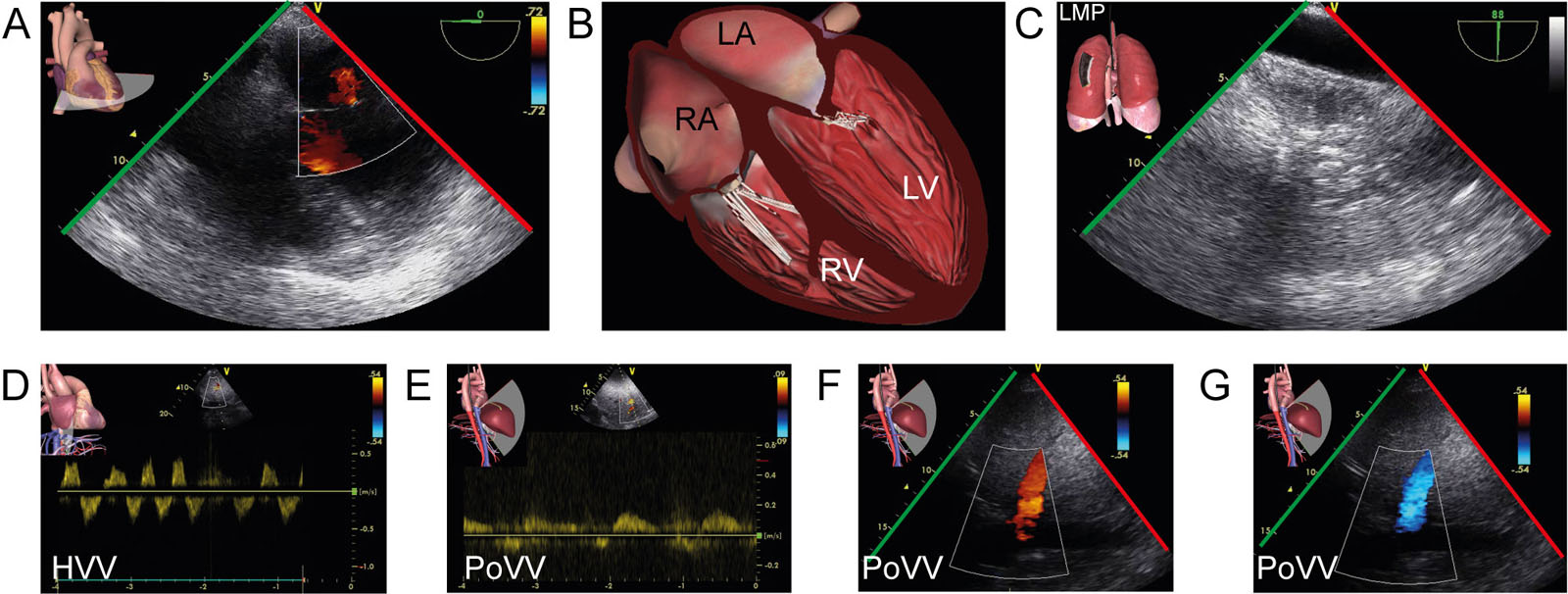
Biventricular failure post lung transplant. (A,B) ME 4C view with CFI in a 56-year-old post-op lung transplant with biventricular septic cardiomyopathy. (C) TELUS of the left lung shows pneumonia that led to a septic shock. (D) TGAUS interrogation of the hepatic vein using PWD revealed a biphasic pattern. (D-F) A similar pattern was present in the portal vein using PWD and CFI with alternating color Doppler signals. Those signals indicate severe RV failure and hepatic venous congestion.<em> Abbreviations</em>: 4C, four-chamber; CFI, color flow imaging; HVV, hepatic vein velocity; LA, left atrium; LMP, left mid posterior; LV, left ventricle; ME, mid-esophageal; PoVV; portal vein velocity; PWD, pulsed-wave Doppler; RA, right atrium; RV, right ventricle; TELUS, transesophageal lung ultrasound; TGAUS, transgastric abdominal ultrasound. <i class='fa fa-video-camera' aria-hidden='true'></i>

eFigure 27.18

Biventricular failure post lung transplant. (A,B) ME 4C view with CFI in a 56-year-old post-op lung transplant with biventricular septic cardiomyopathy. (C) TELUS of the left lung shows pneumonia that led to a septic shock. (D) TGAUS interrogation of the hepatic vein using PWD revealed a biphasic pattern. (D-F) A similar pattern was present in the portal vein using PWD and CFI with alternating color Doppler signals. Those signals indicate severe RV failure and hepatic venous congestion. Abbreviations: 4C, four-chamber; CFI, color flow imaging; HVV, hepatic vein velocity; LA, left atrium; LMP, left mid posterior; LV, left ventricle; ME, mid-esophageal; PoVV; portal vein velocity; PWD, pulsed-wave Doppler; RA, right atrium; RV, right ventricle; TELUS, transesophageal lung ultrasound; TGAUS, transgastric abdominal ultrasound.

2

Videos

Chapter 27 Fig01A

Chapter 27 Fig01B

Chapter 27 Fig01CD

Chapter 27 Fig03A

Chapter 27 Fig03B

Chapter 27 Fig03C

Chapter 27 Fig03D

Chapter 27 Fig04A

Chapter 27 Fig04C

Chapter 27 Fig05A

Chapter 27 Fig05C

Chapter 27 Fig05F

Chapter 27 Fig05G

Chapter 27 Fig05H

Chapter 27 Fig06G

Chapter 27 Fig07A

Chapter 27 Fig07B

Chapter 27 Fig07C

Chapter 27 Fig07D

Chapter 27 Fig08A

Chapter 27 Fig08B

Chapter 27 Fig08D

Chapter 27 Fig10AC

Chapter 27 Fig11AB

Chapter 27 Fig11C

Chapter 27 Fig12A

Chapter 27 Fig12C

Chapter 27 Fig13A

Chapter 27 Fig13C

Chapter 27 Fig15A

Chapter 27 Fig15C

Chapter 27 Fig16A

Chapter 27 Fig16CD

Chapter 27 fig17A

Chapter 27 fig17D

Chapter 27 Fig18A

Chapter 27 Fig18C

Chapter 27 Fig19D

Chapter 27 Fig19E

Chapter 27 Fig20A

Chapter 27 Fig20C

Chapter 27 Fig21A

Chapter 27 Fig21B

Chapter 27 Fig22AC

Chapter 27 Fig22F

3

Tables

eTable 27.1 Indications and contraindications for lung transplantation

Indications

Consider LungTx for adults with chronic, end-stage lung disease who meet all the following general criteria:
1. High (>50%) risk of death from lung disease within 2 years if not transplanted.
2. High (>80%) likelihood of 5-year post-transplant survival from a general medical perspective provided an adequate graft function.

Absolute Contraindications

  • Candidates with these conditions are at too high risk to achieve successful outcomes after LungTx.
  • Factors or conditions that significantly increase the risk of an adverse outcome after LungTx and /or would make transplant most likely harmful to a recipient.
  • Most LungTx programs should not transplant patients with these risk factors except under very exceptional or extenuating circumstances.
  • Lack of patient willingness or acceptance of transplant
  • Malignancy with high recurrence risk or death related to cancer
  • GFR <40mL/min/1.73m2
  • ACS, MI, or stroke within 30 days
  • Liver cirrhosis with portal hypertension
  • Acute liver failure
  • Acute renal failure with rising creatinine or on dialysis and low likelihood of recovery
  • Septic shock
  • Active extrapulmonary or disseminated infection
  • Active tuberculosis infection
  • HIV infection with detectable viral load
  • Limited functional status (e.g. non-ambulatory) with poor potential for post-transplant rehabilitation
  • Progressive cognitive impairment
  • Repeated episodes of non-adherence without evidence of improvement
  • Active substance uses or dependance
  • Other severe uncontrolled medical conditions expected to limit survival after transplant

Relative Contraindications representing factors with high or substantially increased risk

  • Consider candidates with these conditions in centers with expertise specific to conditions.
  • Data to support lung transplants in patients with these risk factors are lacking.
  • The presence of these risk factors is thought to be possibly multiplicative in terms of increasing the risk of adverse outcomes.
  • Optimize modifiable conditions when possible
  • Age >70 years
  • Severe CAD that requires CABG or PCI
  • LVEF <40%
  • Significant cerebrovascular disease
  • Severe esophageal dysmotility
  • Untreated hematological disorders
  • BMI >35 or <16 kg/m2
  • Limited functional status
  • Psychiatric/psychological conditions with potential to interfere with adherence
  • Unreliable support system
  • Lack of understanding of disease and/or transplant despite teaching
  • Infection with mycobacterium abscessus, lomentospora prolificans, burkholderia cenocepacia or gladioli
  • Hepatitis B or C with detectable viral load
  • Chest wall or spinal deformity expected to cause restriction after transplant
  • ECMO
  • Retransplant < 1year after initial LungTx
  • Retransplant for restrictive CLAD or for AMR as etiology for CLAD

Modified from: Consensus document for the selection of lung transplant candidates: An update from the International Society for Heart and Lung Transplantation 2021 1

Abbreviations: ACS, acute coronary syndrome; AMR, antibody mediated rejection; BMI, body mass index; CABG, coronary artery bypass grafting; CAD, coronary artery disease; CLAD, chronic lung allograft dysfunction; ECMO, extracorporeal membrane oxygenation; GFR, glomerular filtration rate; HIV, human immunodeficiency virus; LungTx, luung transplantations; LVEF, left ventricular ejection fraction; MI, myocardial infarction; PCI, percutaneous coronary intervention; TB, tuberculosis.

eTable 27.2 TEE views in lung transplantation

TEE View

Icon

View-Technique

Utility

ME 4C
Angle: 0-10°
(See Figure 4.7)

  • LV systolic and diastolic function
  • RV systolic function


ME LAX
Angle: 50-70°
(See Figure 4.12)

  • Exclude LVOTO
  • Assess AoV, MV


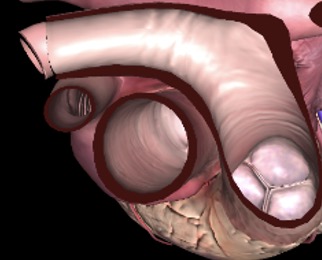
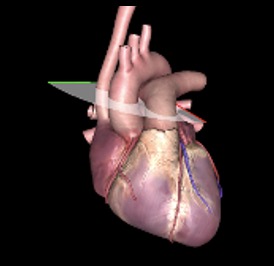
ME Ascending Aorta SAX 
Angle: 0-30°
(See Figure 4.15)

  • Assess PA anastomosis


ME RLPV
Angle: 0-30°
(See Figure 4.38)

  • Vessels: Asc Ao, SVC
  • Other: RCA


ME RV Inflow-Outflow
Angle: 50-70°
(See Figure 4.28)

  • Exclude RVOTO
  • Assess TV function CFI
  • CWD estimate of systolic PA pressure

ME LUPV
Angle: 90-110°
(See Figure 4.36)

  • Chamber: LA
  • Vessels: LPV, PA


ME RUPV
Angle: 90-110°
(See Figure 4.37)

  • Chamber: LA
  • Vessels: RPV, SVC, Ao


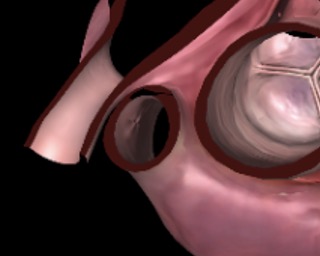
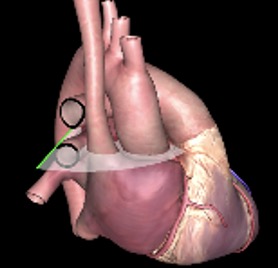
ME LPV bifurcation
Angle: 80-120°
(Figure 27.7)

  • PWD of PVs for stenosis
  • Assess LV diastolic function PWD of PV

ME RPV bifurcation
Angle: 40-60°
(Figure 27.8)

  • PWD of PVs for stenosis
  • Assess LV diastolic function PWD of PV

TG Mid papillary SAX
Transducer angle: 0-20°
(See Figure 4.16)

  • Chambers: LV, RV
  • Septum: IVS
  • Other: papillary muscles


Abbreviations: 4C, four-chamber; Ao, aorta; Asc Ao, ascending aorta; AoV, aortic valve; CFI, color flow imaging; CWD, continuous wave Doppler; IVS, interventricular septum; LA, left atrium; LAX, long-axis; LPV, left pulmonary vein; LUPV, left upper pulmonary vein; LV, left ventricle; LVOTO, left ventricular outflow tract obstruction; ME, mid-esophageal; MV, mitral valve; PA, pulmonary artery; PV, pulmonic valve; PWD, pulsed-wave Doppler; RCA, right coronary artery; RLPV, right lower pulmonary vein; RUPV, right upper pulmonary vein; RPV, right pulmonary vein; RV, right ventricle; RVOTO, right ventricular outflow tract obstruction; SAX, short-axis; SVC, superior vena cava; TEE, transesophageal echocardiography; TG, transgastric; TV, tricuspid valve; Adapted from Hahn et al.36