Chapter 31: TEE in Cardiac Arrest

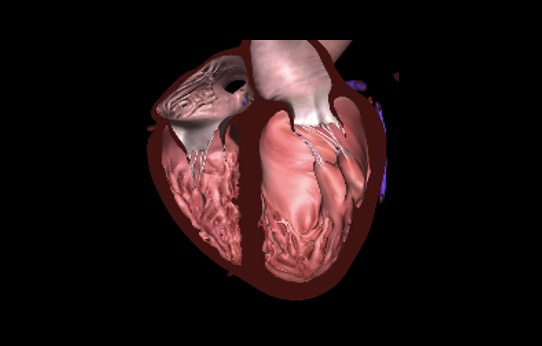
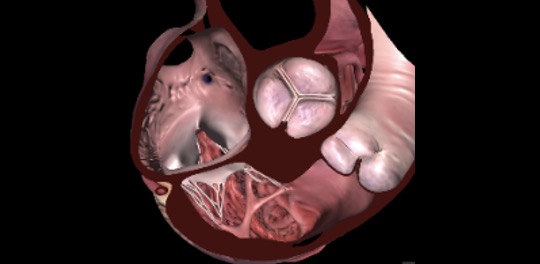
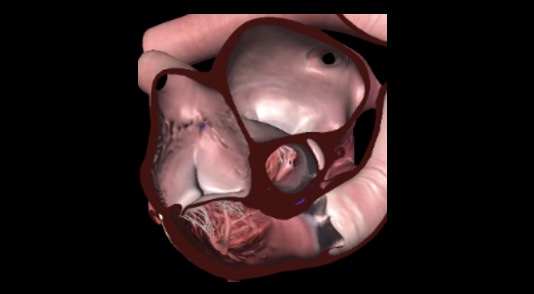
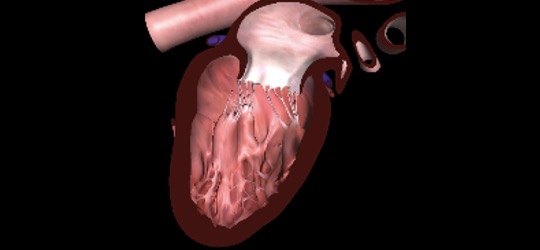
The emergent use of TEE during cardiac arrest is explored, including procedural guidance and diagnosis. Video and images will be provided.

1

Figures

There is no images for this chapter.
2

Videos

Chapter 31 Fig01A

Chapter 31 Fig01C

Chapter 31 Fig01E

Chapter 31 Fig01G

Chapter 31 Fig03AC

Chapter 31 Fig03E

Chapter 31 Fig04A

Chapter 31 Fig04C

Chapter 31 Fig05A

Chapter 31 Fig05C

Chapter 31 Fig05D

Chapter 31 Fig06A

3

Tables

eTable 31.4. TEE evaluation post ROSC: TEE extended views, TELUS and TGAUS


TEE View

View-Technique

Role

1

ME 4C
Angle: 0-10°
(S4ee figure 4.7)

  • Pericardial effusion
  • LV/RV size and function
  • RWMA
  • MV and TV abnormalities using CFI
  • IVS communication, shunt
  • Embolization (thrombus, air)
  • Pacing wire position

2

ME AoV SAX
Angle: 25-45°
(See figure 4.34)

  • AoV pathologies

3

ME RV Inflow-Outflow
Angle: 50-70°
(See figure 4.28)

  • RV free wall motion abnormalities
  • RVOTO (e.g., left tension pneumothorax)
  • TV and PV abnormalities using CFI
  • IVS and IAS communication, shunt
  • Embolization (thrombus, air)
  • Pacing wire position

4

ME 2C
Angle: 80-100°
(See figure 4.11)

  • RWMA
  • Embolization (LAA thrombus)

5

ME Bicaval
Angle: 90-110°
(See figure 4.29)

  • IAS communication, shunt
  • Embolization (thrombus, air)
  • CVP estimate / preload tolerance /fluid responsiveness using SVC
  • ECPR venous guidewire/cannula position
  • Central venous guidewire position
  • Pacing wire position

6

ME LAX
Angle: 120-140°
(See figure 4.12)

  • MV and AoV abnormalities
  • LVOTO/SAM
  • Type 1 aortic dissection
  • Embolization (thrombus, air)

7

TG Mid papillary SAX
Transducer angle: 0-20°
(See figure 4.16)

  • Pericardial effusion
  • LV/RV size and function
  • RWMA
  • IVS motion
  • IVS communication, shunt

8

TGAUS LAX IVC
Angle: 60-90°
(See figure 32.32)

  • IVC thrombus
  • IVC obstruction (e.g., abdominal compartment syndrome)
  • ECPR venous guidewire/cannula position

9

Descending aorta SAX
Angle: 0-10°
(See figure 4.25)

  • Aortic dissection
  • IABP position
  • ECPR arterial guidewire position
  • REBOA position

10

ME Ascending Aorta SAX
Angle: 0-30°
(See figure 4.15)

  • Type A dissection
  • PA thrombus

11

TELUS
(See Figure 32.10)

  • Pleural effusion (e.g., hemothorax, empyema)
  • Tension pneumothorax
  • Alveolar-interstitial syndrome
  • Consolidation (e.g., atelectasis, pneumonia)

12

TGAUS
(See figure 32.29)

  • Peritoneal free fluid (e.g., hemoperitoneum)
  • Abdominal aorta dissection
  • Mesenteric ischemia (portal air)
  • Splanchnic venous congestion (VeXUS score)

Abbreviations: 2C, two-chamber; 4C, four-chamber; AoV, aortic valve; CFI, color flow imaging; CVP, central venous pressure; ECPR, extracorporeal cardiopulmonary resuscitation; IABP, intra-aortic balloon pump; IAS, interatrial septum; IVC, inferior vena cava; IVS, interventricular septum; LAA, left atrial appendage; LAX, long-axis; LV, left ventricle; LVOT, left ventricular outflow tract obstruction; LVOTO, left ventricular outflow tract obstruction; ME, mid-esophageal; MV, mitral valve; PA, pulmonary artery; PV, pulmonic valve; REBOA; resuscitative endovascular balloon occlusion of the aorta; ROSC, return of spontaneous circulation; RV, right ventricle; RWMA, right wall motion abnormality; SAM, systolic anterior motion of mitral valve; SAX, short-axis; SVC, superior vena cava; TEE, transesophageal echocardiography; TELUS, transesophageal lung ultrasonography; TG, transgastric; TGAUS, transgastric abdominal ultrasonography; TV, tricuspid valve, VeXUS, venous access ultrasound. Adapted from Riendeau-Beaulac et al.9